Contents
You’ve probably noticed them, those lines that run from the sides of your nose down to the corners of your mouth. Often called “smile lines” or “laugh lines,” these are a natural part of our faces. While they can deepen over time, sometimes making people feel self-conscious, you can discover what they are, what makes them stand out, and your options for addressing them to help you feel more comfortable and confident in your own skin.
Understanding Nasolabial Folds
Facial lines and creases trace a lifetime of expressions, emotions, and experiences across your skin. Among these, the creases between the cheek and upper lip stand out, forming a visible curve. While almost everyone has them, their prominence can vary greatly from person to person. Your genes, daily habits, and natural aging all play a role in how they appear.
What are nasolabial folds?
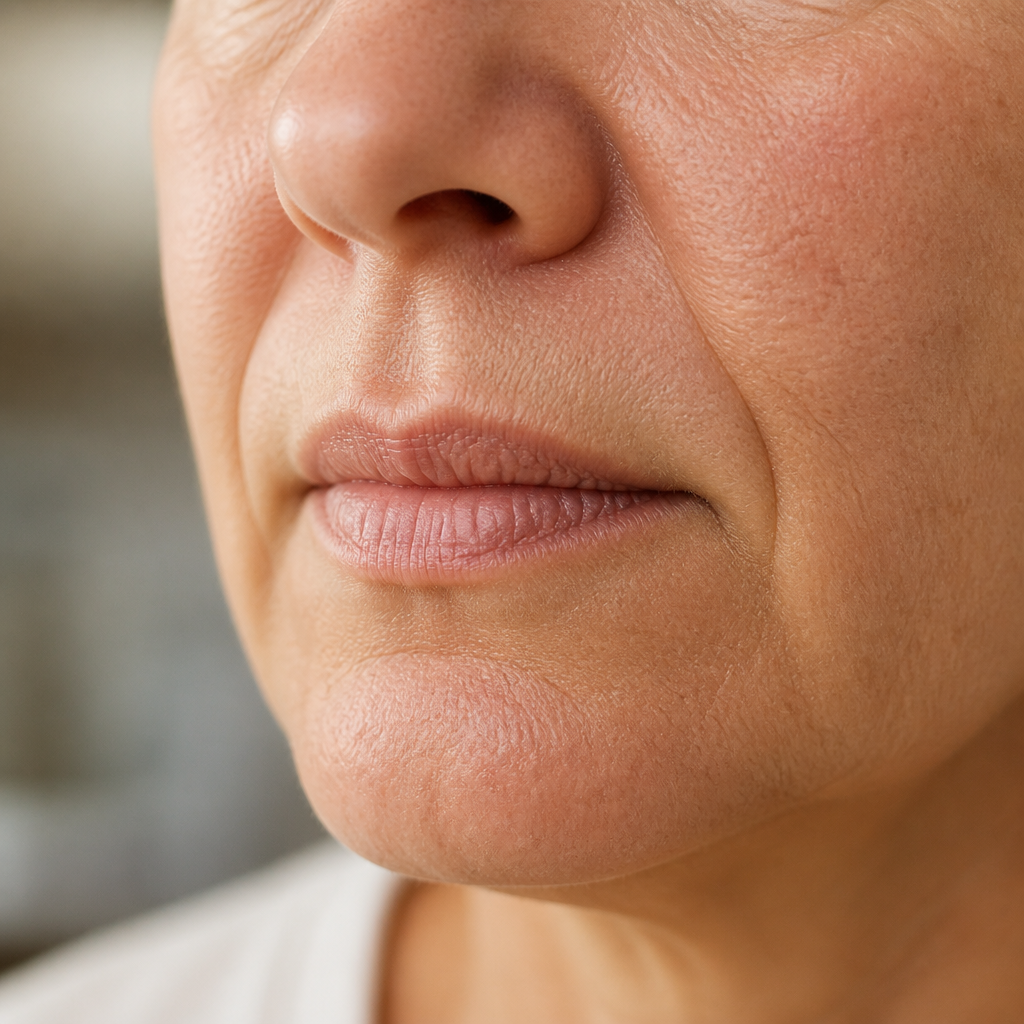
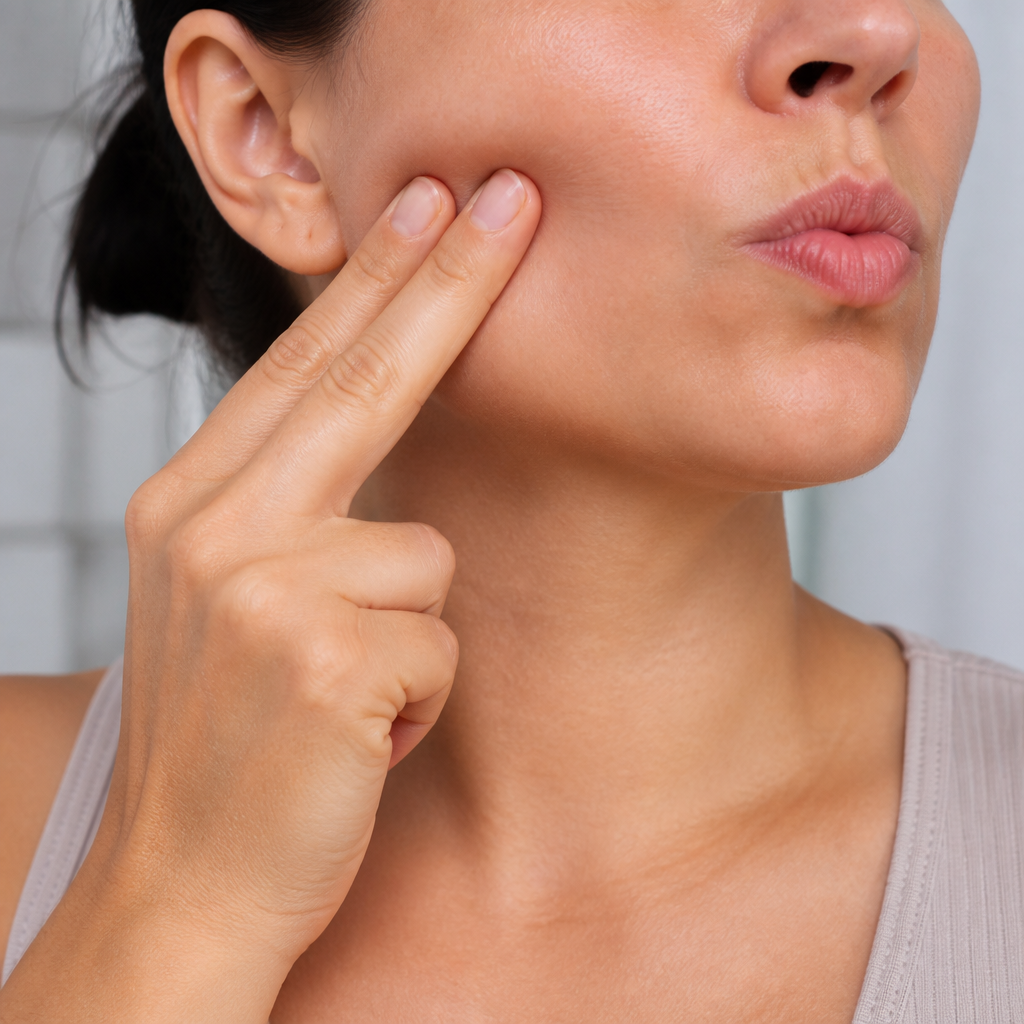
Nasolabial folds are the lines extending from each side of your nose down to the corners of your mouth (1, 2). You’ll find them in all adults and even children; however, they typically become more noticeable after age 40 (5, 6). Their formation connects deeply with how your facial muscles interact with the skin above them. As you age, your skin loses elasticity and you naturally lose facial volume. These changes can cause the folds to deepen, which is why they often get nicknames like “smile lines” or “laugh lines” (1, 2).
To understand them better, think about your facial anatomy. The nasolabial fold isn’t just a simple line; it’s a complex structure involving several facial muscles. Muscles like the levator labii superioris alaeque nasi, levator labii superioris, and zygomaticus minor all connect to the dermis, the deeper layer of your skin in this area (3). These muscles are crucial for lifting your upper lip and the corners of your mouth, which are the main movements you use when you smile or laugh. The fold itself comprises multiple layers: the visible skin, the fat directly under the skin, a layer called the Superficial Musculoaponeurotic System (SMAS), and even deeper facial components (3). These layers interact and change over time, directly affecting how deep and visible these creases become.
Medical professionals often use grading scales to measure how severe the folds appear. A common 5-point system, for instance, marks 0 for hardly any folds and 4 for very deep folds with loose skin (4). These scales help doctors assess the creases and determine the most suitable treatment plan (4). _While these lines are a universal feature, their development is closely tied to the broader process of how your face changes over time._
What causes nasolabial folds?
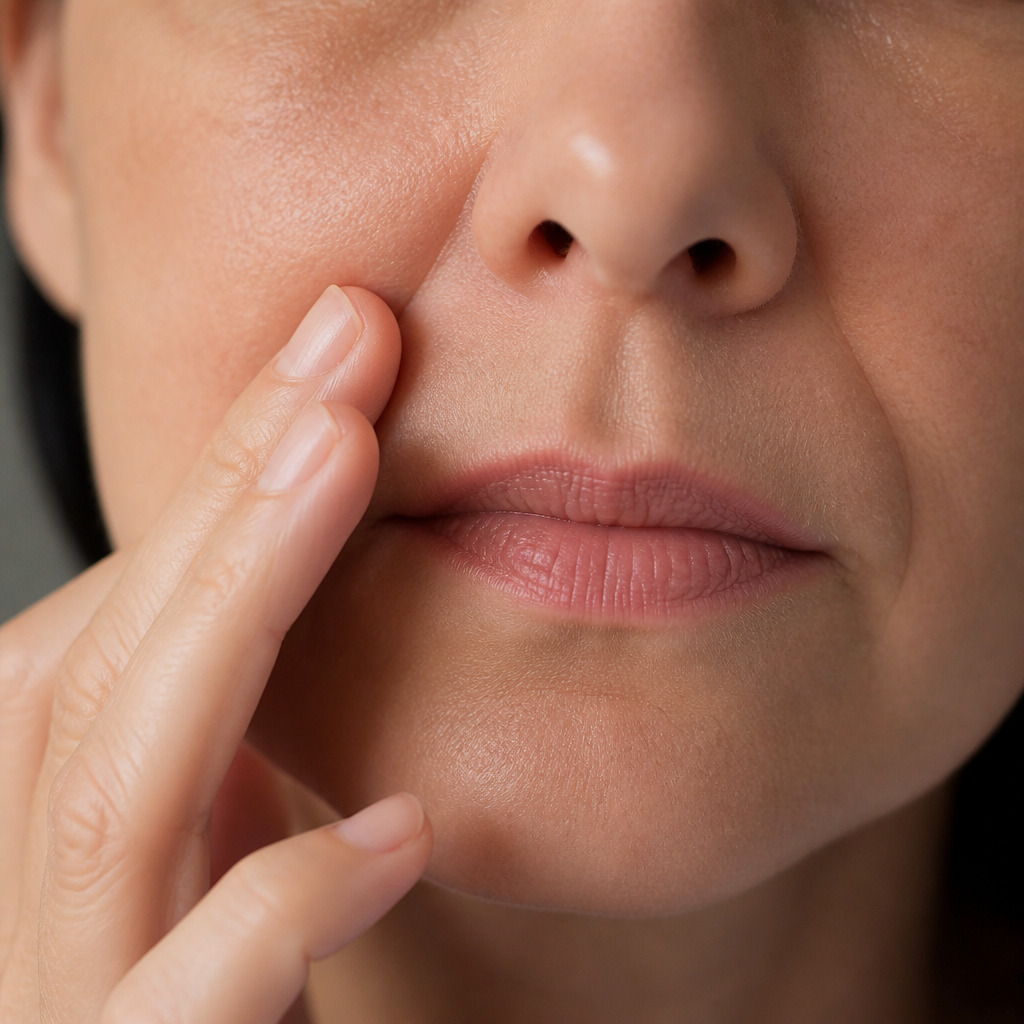
The deepening of smile lines results from a complex process, mostly driven by changes in your facial structure and skin as you age. While you might blame repetitive expressions, scientists point to more fundamental shifts happening beneath your skin. Age-related volume loss in the midface primarily makes nasolabial folds more prominent (7, 8). This stems from a combination of factors, including:
- Fat Pad Changes: The malar fat pad—an important fat area in the cheek—shrinks and moves downward with age, creating a hollow look and deepening the fold (7).
- Bone Resorption: A slight weakening and receding of the bone in your upper jaw, called the maxilla, reduces foundational support for the soft tissues above it (7, 8, 13).
- Skin Quality Decline: The breakdown of collagen (for structure) and elastin (for elasticity) in the dermis significantly reduces your skin’s ability to snap back. Skin elasticity can drop by about 1% each year after you turn 20 (9, 56).
- Lifestyle and Genetics: Frequent facial expressions, genetics influencing facial structure, smoking, sun damage (photoaging), and even sleeping positions can contribute to their prominence (10, 11).
- Hormonal Changes: The drop in estrogen during menopause accelerates skin aging by reducing collagen production, leading to thinner skin and more visible folds (14).
Dr. Rod Rohrich, a Professor and Chairman of Plastic Surgery at UT Southwestern Medical Center, offers an important insight. He explains, “The nasolabial fold deepens not because the fold itself is falling, but because the midface volume is descending and deflating. Treating the fold directly often makes it worse—we need to restore volume to the cheek to lift and soften the fold naturally” (12).
This expert opinion highlights that the folds are often a symptom of underlying volume loss in the middle of your face, not just an isolated problem with the line itself.
Nasolabial Folds Treatment Options
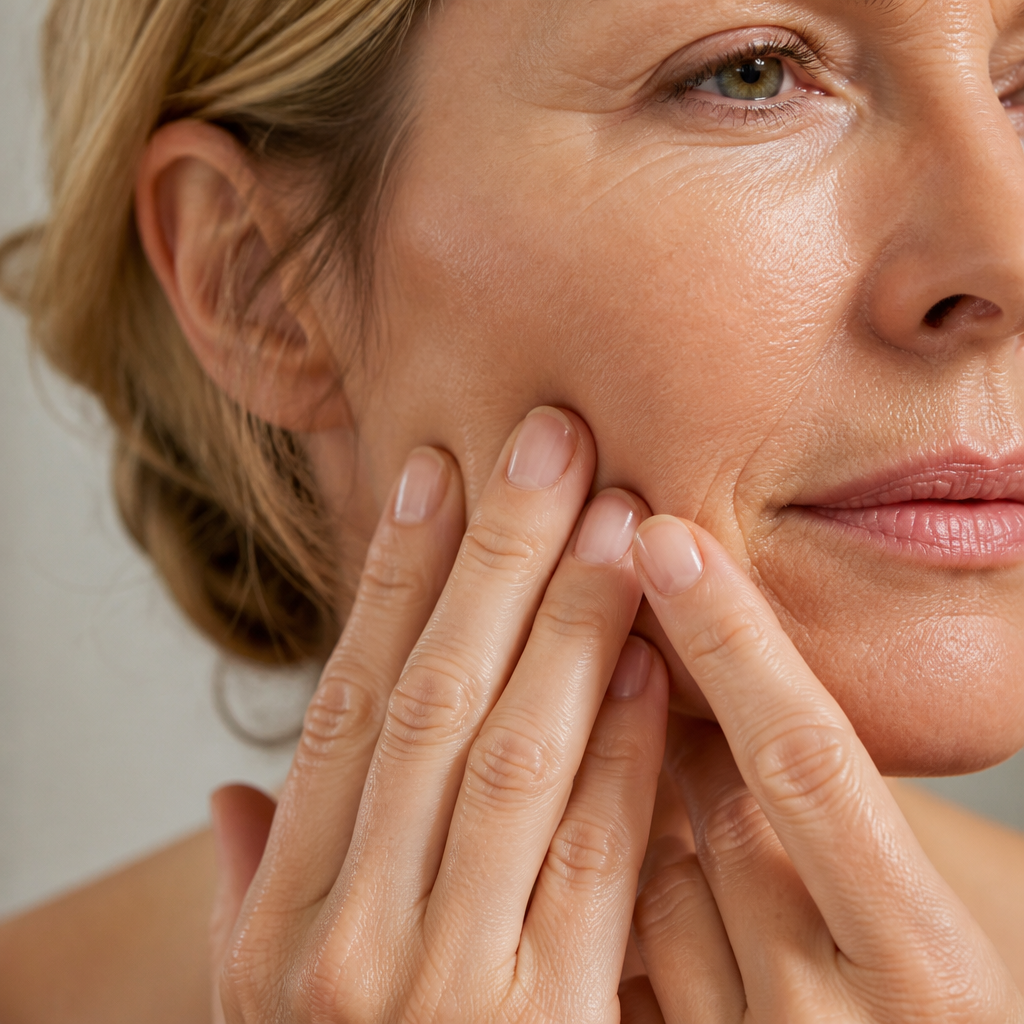
When you consider addressing your laugh lines, you’ll find a range of approaches, from gentle, non-invasive techniques to more involved surgical procedures. Each option carries its own benefits and drawbacks. Your most suitable choice often depends on how deep the folds appear, your personal preferences, and how long you want the results to last.
How to get rid of nasolabial folds?
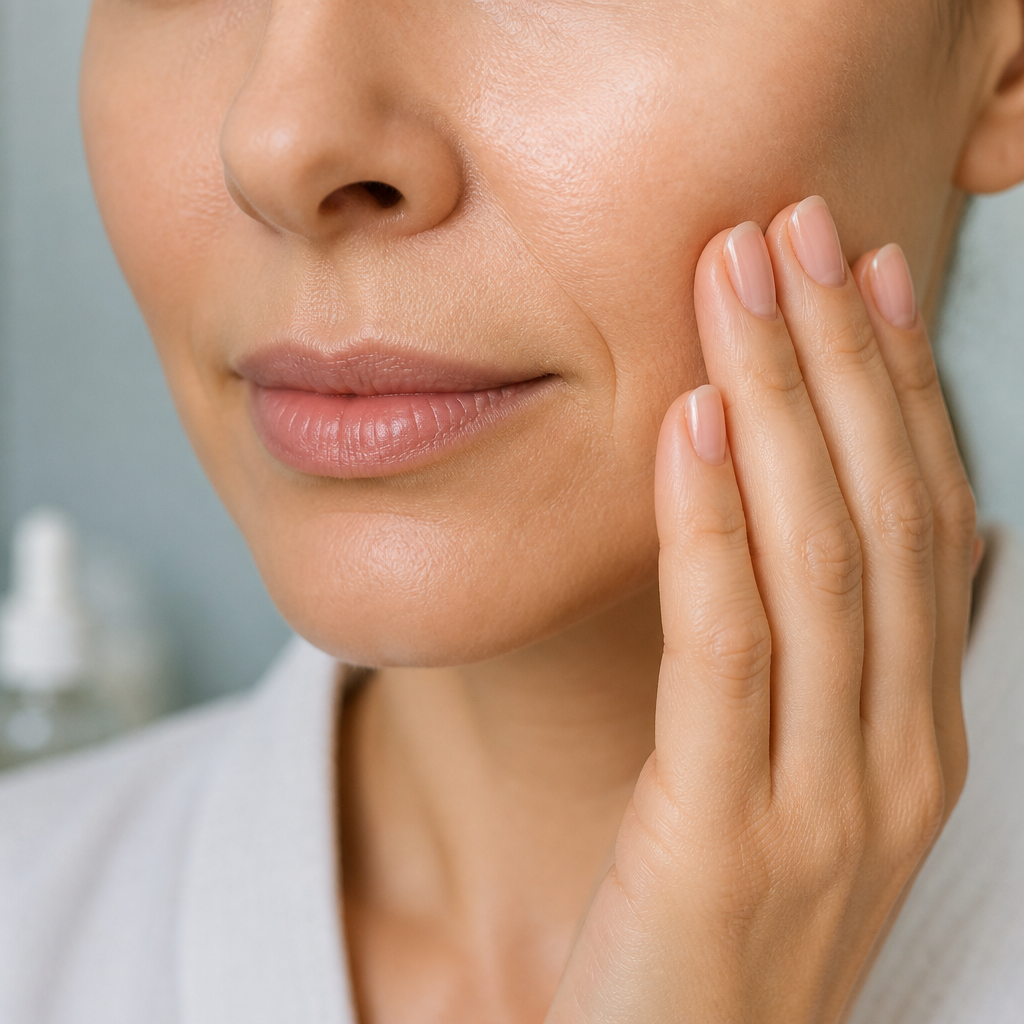
If you want to reduce the appearance of smile lines, a variety of treatment options exist, which can be grouped into non-surgical, minimally invasive, and surgical methods (15, 16). The FDA has approved several hyaluronic acid (HA) fillers specifically for correcting these facial folds, with results typically lasting 6 to 18 months (15). Among non-surgical options, HA dermal fillers are a popular choice for treating moderate creases (17). A significant development in technique involves strategically placing fillers in the midface, especially the cheeks, to add volume and provide a lift.
For individuals with very deep nasolabial folds, a surgical facelift might offer more dramatic and lasting results, often between 7 to 10 years (19). However, preventive measures also play a significant role. Evidence-based prevention strategies include daily use of a broad-spectrum sunscreen with an SPF of 30 or higher and regular use of retinoids to stimulate collagen production (22, 23).
| Treatment Option | How It Works | Best For | Typical Longevity |
|---|---|---|---|
| Dermal Fillers | Injects hyaluronic acid to restore lost volume. | Moderate folds, volume loss. | 6-18 months |
| Energy-Based Devices | Uses heat (RF, ultrasound) to stimulate collagen. | Mild laxity, improving skin texture. | 3-6 months+ |
| Surgical Facelift | Physically lifts and repositions facial tissues. | Severe folds, significant laxity. | 7-10 years |
| Preventive Skincare | Sunscreen and retinoids to protect and build collagen. | All stages, long-term maintenance. | Ongoing with use |
Dr. Jean Carruthers, a Clinical Professor of Ophthalmology, highlights an important principle. She explains, “The key to treating nasolabial folds is understanding that they’re a symptom, not the problem. The problem is midface volume loss. When we restore volume to the cheeks with fillers or fat grafting, the folds naturally soften. Direct injection into the fold can create an unnatural ‘sausage’ appearance” (20).
Nasolabial Folds Filler
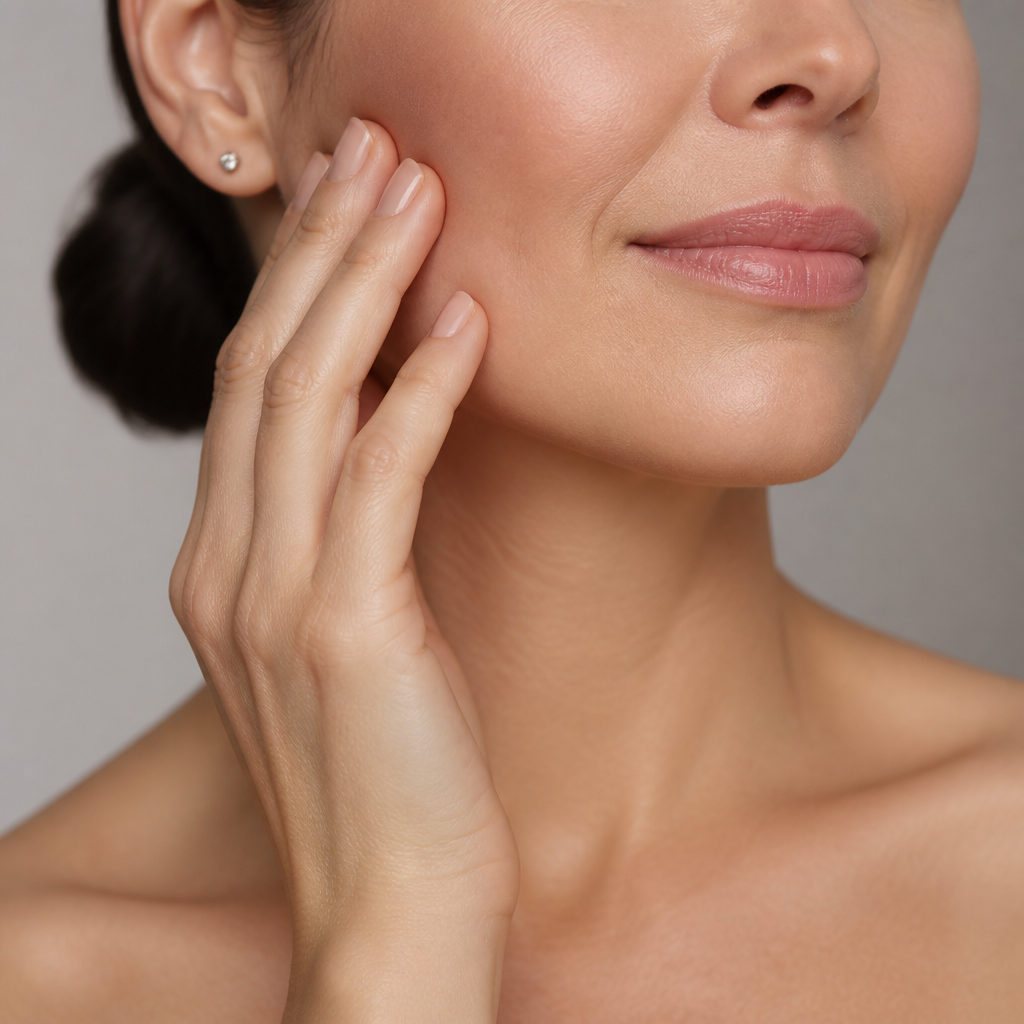
Dermal fillers have become a popular way to treat smile lines without surgery. These injectable treatments aim for immediate results, helping you achieve a fresher look. Nasolabial fold fillers primarily use hyaluronic acid (HA), a substance that occurs naturally in your body (26, 27). The FDA has approved several HA fillers for this purpose, including Juvederm, Restylane, and Belotero (26, 27).
Hyaluronic acid fillers work by providing immediate volume and by attracting water to promote extra hydration, which further enhances volume and improves skin quality (28). The procedure is typically quick, taking about 15-30 minutes (29). A modern best practice focuses on strategic midface volumization, meaning doctors often inject filler into the cheeks to lift the whole midface, which naturally softens the folds and creates a more balanced result (30). The effectiveness of HA fillers for these creases is well-documented, with studies showing an 87% patient satisfaction rate (31). A significant safety advantage of HA fillers is their reversibility; an enzyme called hyaluronidase can dissolve the filler if complications arise (37). _However, it’s crucial that qualified and experienced professionals perform these treatments to minimize risks like vascular occlusion or infection._
Too Much Filler in Nasolabial Folds
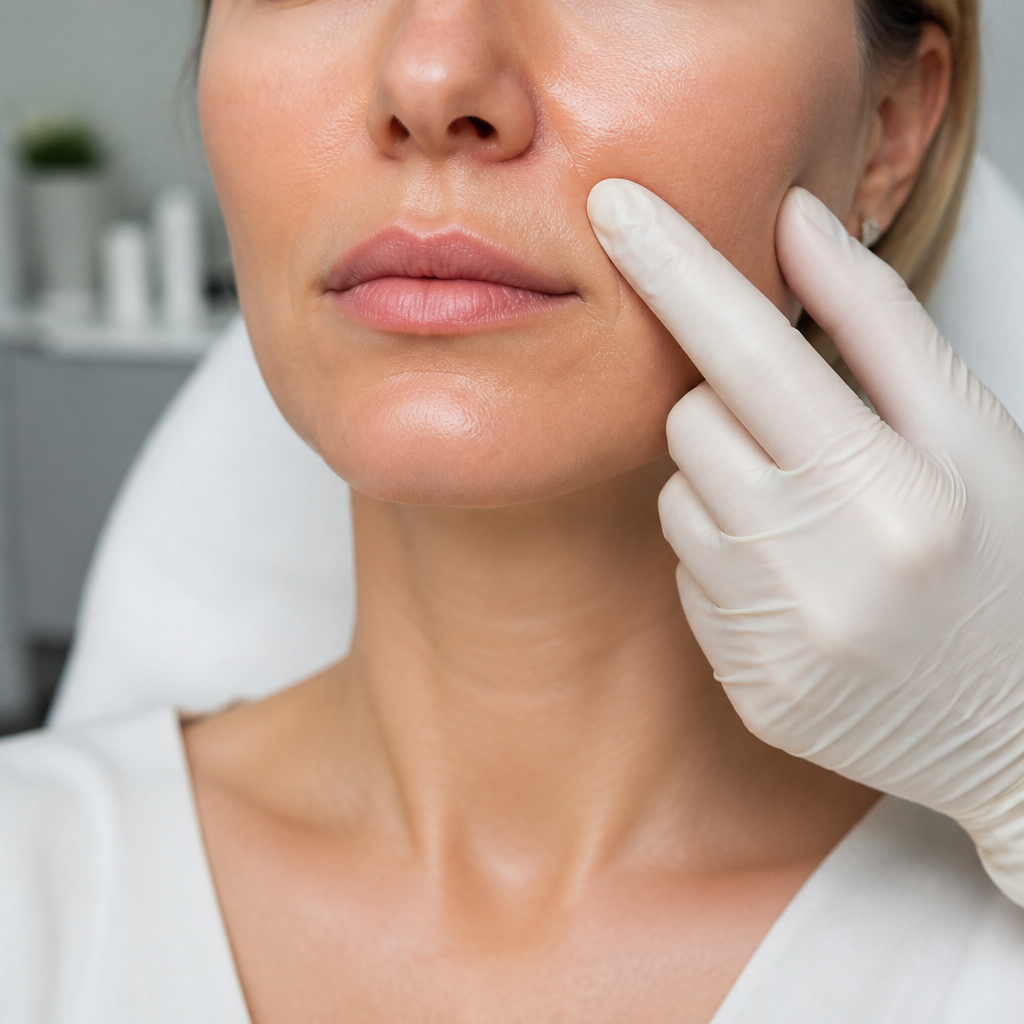
While dermal fillers can soften facial folds, aiming for a completely erased look can lead to unnatural results. Overfilling happens when too much dermal filler is injected, leading to a puffy or distorted appearance often called “pillow face” (38, 39). The signs of overfilled nasolabial folds include visible lumps, the disappearance of natural shadows, and facial asymmetry (40). A 2022 survey found that 23% of patients seeking filler correction reported overfilling as their primary concern (41).
Dr. Steven Fagien, an oculoplastic surgeon, warns, “The biggest mistake I see is the ‘more is better’ mentality…When we obliterate the nasolabial fold, we don’t look younger—we look strange. The goal should be softening, not erasing” (42). Luckily, overfilling with hyaluronic acid fillers is often correctable. An enzyme called hyaluronidase can be injected to break down the excess filler, typically within 24-48 hours (44). To prevent this issue, practitioners recommend conservative injection techniques, starting with a modest amount and assessing the results before adding more (46).
Nasolabial Folds Exercises
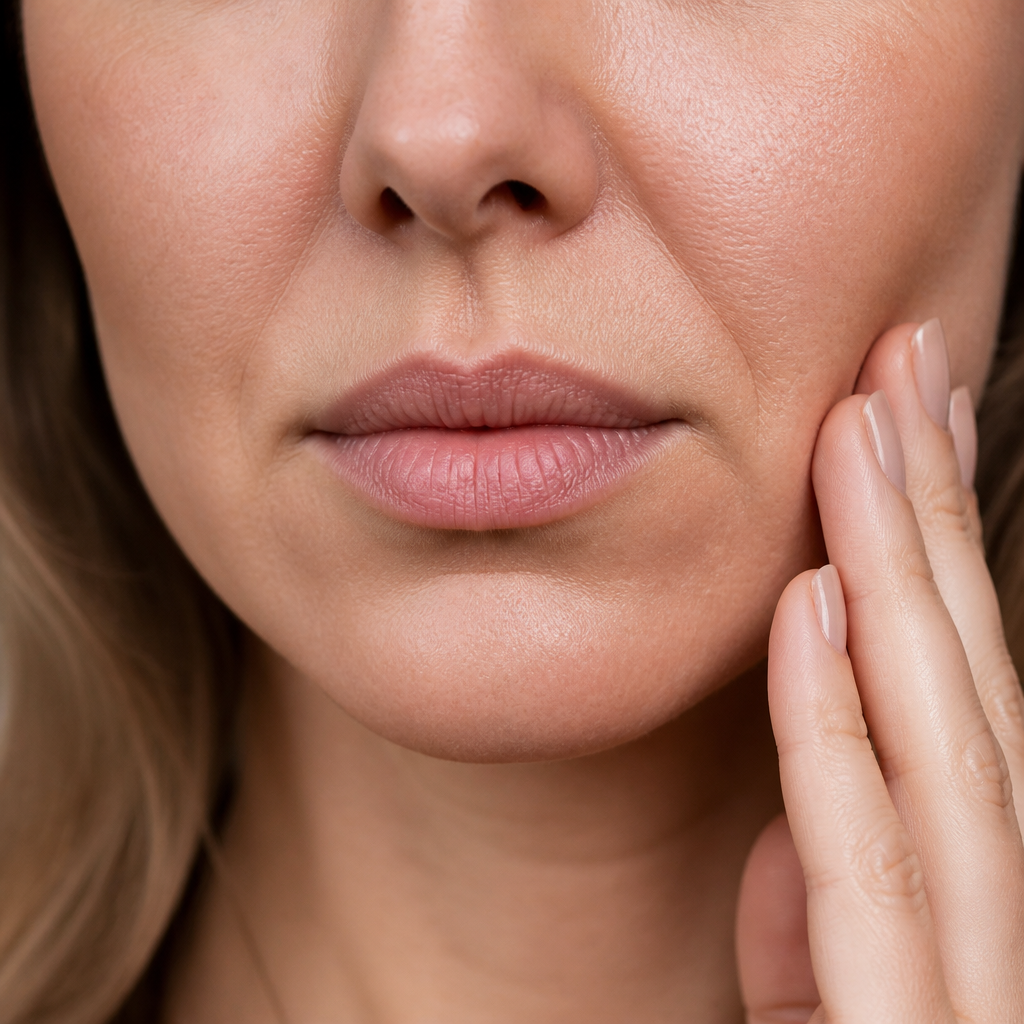
Some people explore non-invasive methods like facial exercises, often known as “face yoga,” as a natural way to address facial lines. These nasolabial fold exercises are repetitive movements aimed at strengthening the underlying muscles and improving circulation (48). Common techniques include the “cheek lifter,” “smile smoother,” and “fish face” (51).
However, the scientific evidence supporting whether these exercises actually reduce the creases is limited and inconclusive (49). One small 2018 study found that 20 weeks of practice led to fuller cheeks, but the study lacked a control group (49). Many experts express skepticism, noting that smile lines are primarily caused by volume loss and skin laxity, not muscle weakness. In fact, some dermatologists warn that repetitive facial movements could theoretically deepen dynamic wrinkles over time (50, 53). When compared to established treatments, a 2019 review found that facial exercises had the lowest grade of scientific evidence, while treatments like retinoids and dermal fillers had robust clinical backing (54).
—
Nasolabial folds are a natural feature shaped by genetics, lifestyle, and aging. While their deepening can be a common concern, a range of options is available, from dermal fillers to surgical procedures. Understanding the underlying causes—like midface volume loss—is crucial for choosing an effective treatment. Consulting with a qualified healthcare professional can help you navigate these choices and develop a personalized plan to manage their appearance with natural-looking results.
FAQ
Q1: What are nasolabial folds, and why do they become more prominent with age?
A1: Nasolabial folds are the lines running from the sides of your nose to the corners of your mouth. They become more prominent with age primarily due to midface volume loss, including the descent of fat pads and minor bone resorption in the upper jaw. The breakdown of collagen and elastin in the skin also reduces elasticity, contributing to deeper folds.
Q2: Are dermal fillers a permanent solution for nasolabial folds?
A2: No, dermal fillers are not a permanent solution. Hyaluronic acid (HA) fillers provide temporary results, typically lasting between 6 to 18 months. Your body naturally breaks down the filler over time, requiring repeat treatments to maintain the effect.
Q3: What are the potential risks of getting too much filler in nasolabial folds?
A3: Too much filler can lead to an unnatural, puffy appearance (“pillow face”), visible lumps, and a loss of natural facial contours. Other risks include asymmetry and, in rare cases, long-term tissue stretching or lymphatic obstruction.
Q4: Can facial exercises effectively reduce the appearance of nasolabial folds?
A4: The scientific evidence for facial exercises is limited. While some small studies suggest modest improvements in cheek fullness, experts note the primary causes of these folds are volume loss and skin laxity, not muscle weakness. Some caution that repetitive movements could potentially worsen certain lines.
Q5: What are some preventive measures you can take to minimize the deepening of nasolabial folds?
A5: Key preventive measures include daily use of broad-spectrum sunscreen (SPF 30+), regular application of retinoids to stimulate collagen, staying hydrated, quitting smoking, and trying to sleep on your back to avoid compression lines. These habits help protect overall skin health and slow the aging process.